
Low Muscle Tone (Hypotonia)
What is Low Muscle tone?
Muscle tone is the amount of tension in muscles. Muscles, even when relaxed, have a very small amount of tension that gives them a springy feel and provides some resistance to passive movement (e.g. the force from someone else or even gravity).
In children with low muscle tone, they often have less resistance to these passive movements which give them a “floppy” appearance. This low level of resting tension in their muscles means that in order to perform a movement or activity, it often requires more energy and effort to appropriately engage the muscles needed to complete the task.
Muscle tone occurs on a spectrum where some children have lower muscle tone and others have higher muscle tone. Our muscle tone is a contributing factor to our bodies ability to move, walk, use our muscles efficiently and control our posture.

Signs & Symptoms
If you child has low muscle tone, you may notice that they have:
-
![]()
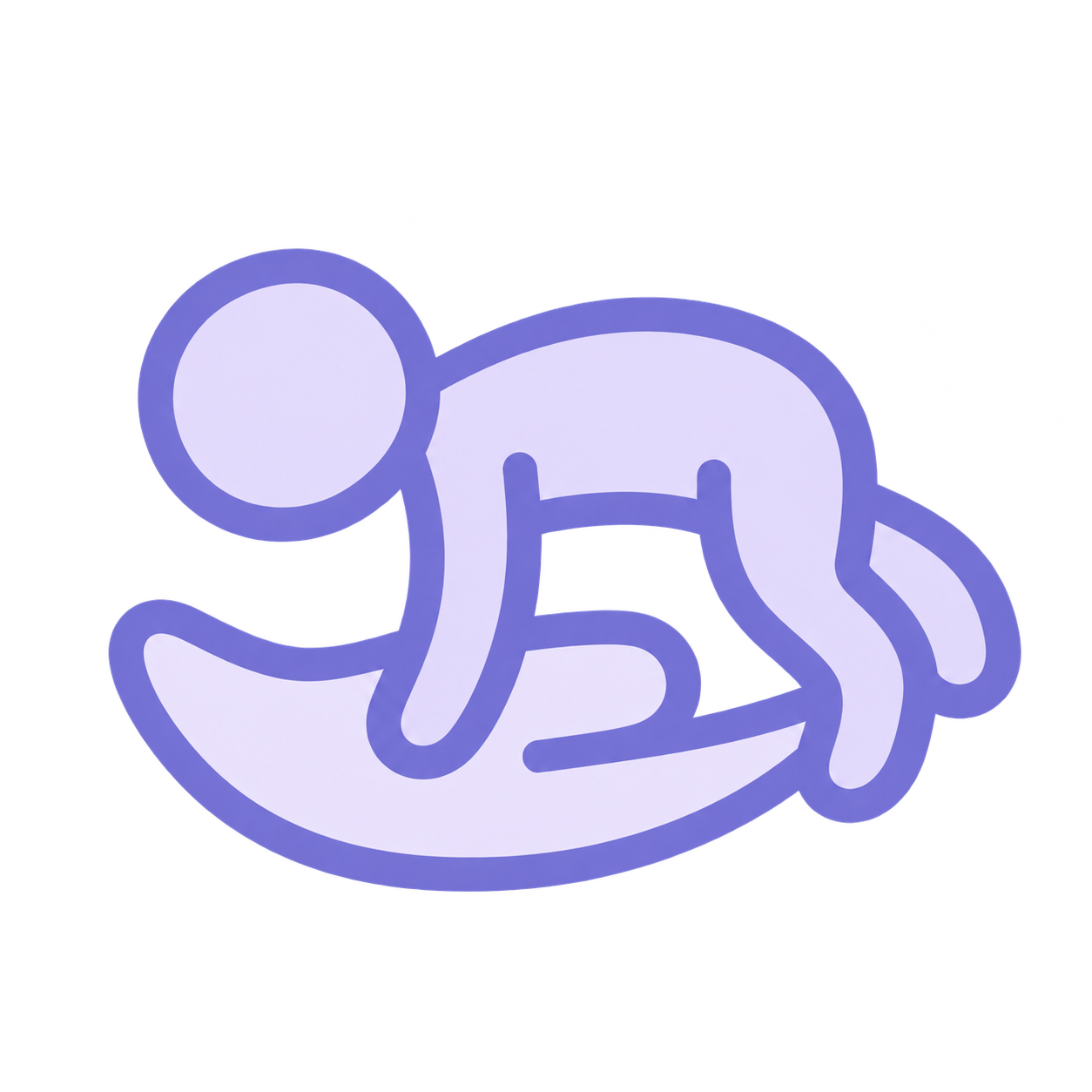
‘Floppy’ muscles or seem more limp when you lift them
-
![]()
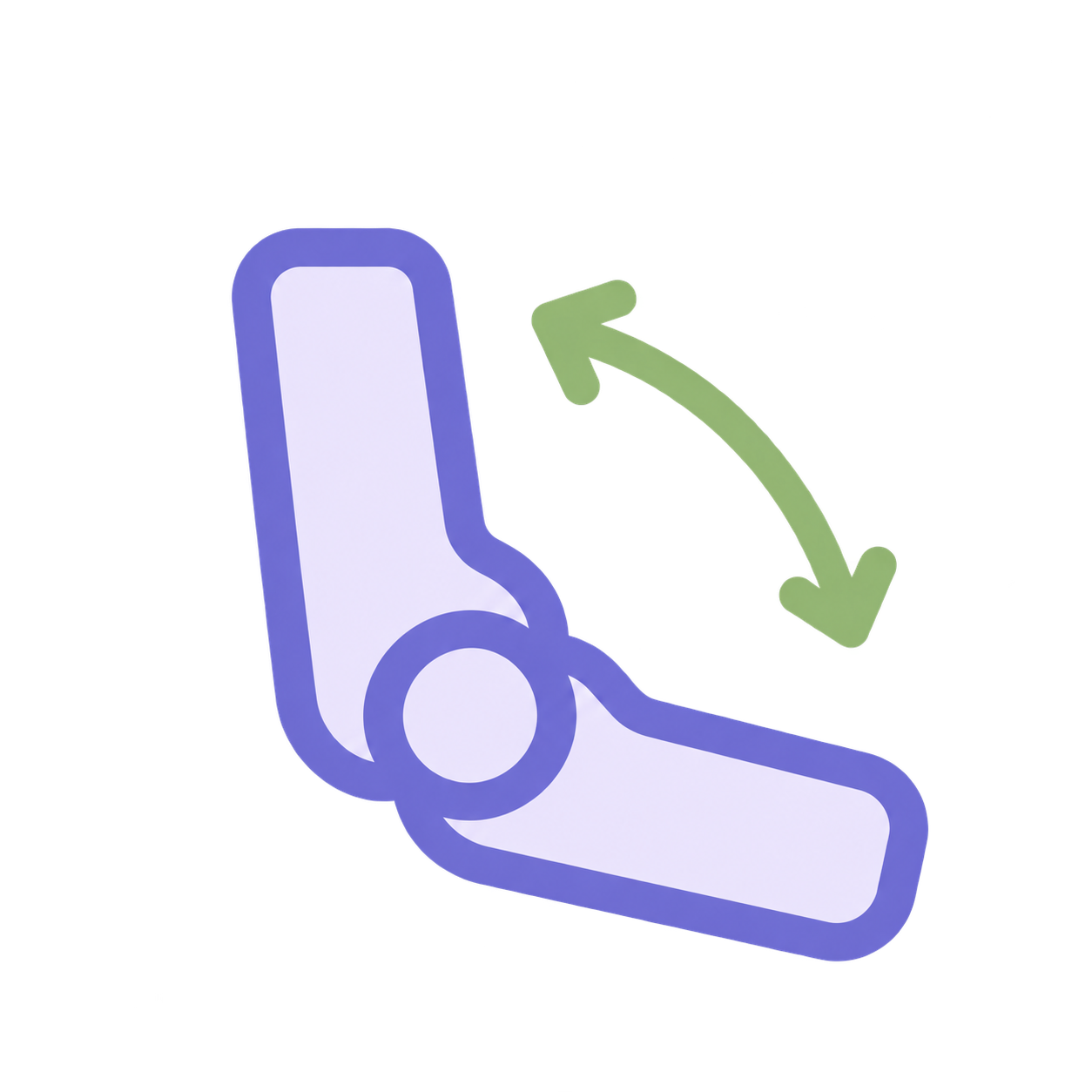
Increased joint flexibility
-
![]()
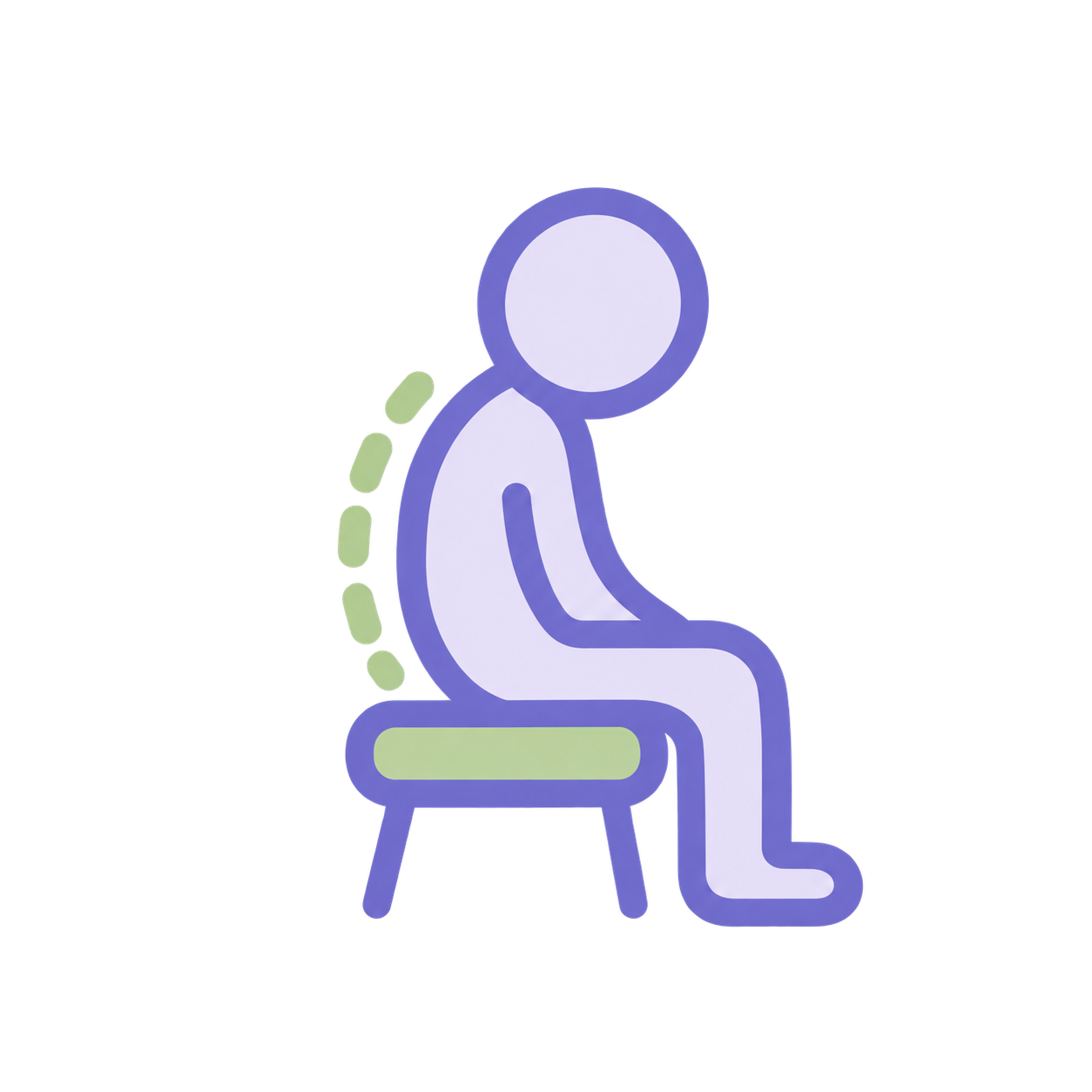
Poor posture – including slumping, frequent W sitting
-
![]()
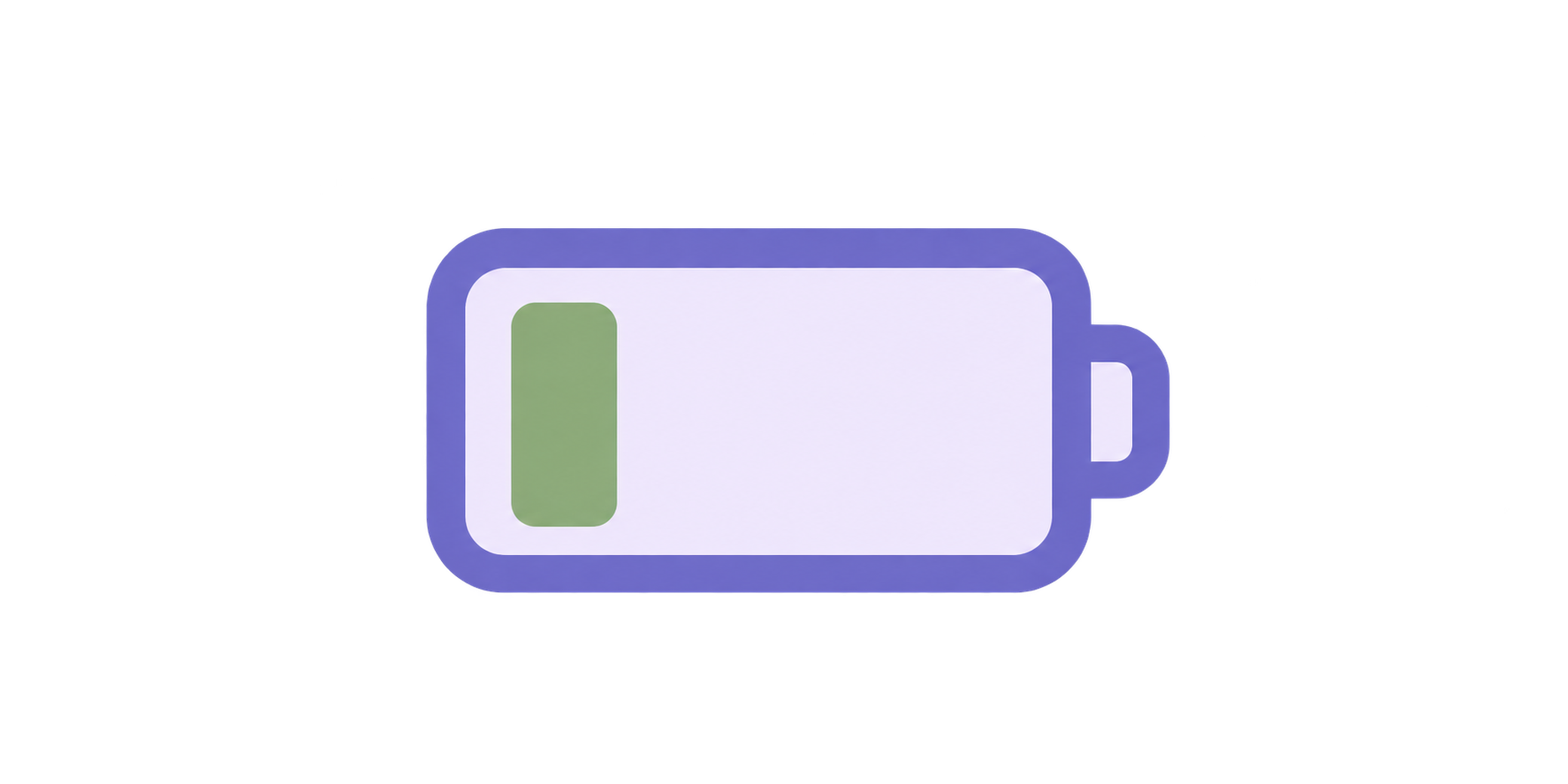
Reduced endurance or easily fatigued
-
![]()
Reduced strength in their muscles
-
![]()
Delayed development of gross motor skills e.g. rolling, sitting, crawling, walking, jumping, running, hopping, skipping, walking up/down stairs
-
![]()
Flat feet or complain of leg/foot pain when walking long distances/ exercising
-
![]()
Feeding difficulties or speech impairments
-
![]()
Delayed fine motor skills e.g. drawing/handwriting, self-dressing, cutlery
What are the treatment options?
Physiotherapy can play a large role in supporting your child to reach their full gross motor potential by addressing the symptoms of low muscle tone outlined above. Physiotherapy treatment is specific to your child’s needs, age, ability and goals. Individualised exercise programs can assist in improving your child’s strength, posture, gross motor skills and endurance.
If your child also has increased joint flexibility, they are at a greater risk of experiencing joint injuries in the future. Physiotherapy will focus on strengthening the muscles surrounding the joints in order to provide more support and stability and reduce/prevent injury to the joints.
You may find that low tone is affecting other areas of your child’s development such as fine motor control, feeding and speech. Occupational therapists and speech therapists can support your child’s development of these skills.
Will my child grow out of low muscle tone?
Children with low muscle tone often have delayed gross motor skills, with intervention most will be able to meet their goals and catch up with their peers. Your child will not ‘grow out of’ low muscle tone but therapies can develop strategies to overcome the barriers (e.g. endurance, posture).
Occasionally, there are underlying disorders that cause low muscle tone. A referral to a paediatrician can be beneficial to examine and investigate possible underlying causes of low muscle tone.
What can I do to support my child?
Children with low tone often gravitate towards sedentary activities. In order to support them to live a healthy lifestyle, provide your child with the opportunity to practise and develop their gross motor skills. For infants create opportunities for purposeful play in a variety of positions (e.g. tummy time, sidelying).
For older children, engage them in activities that they enjoy and are fun. This will increase their confidence and independence to allow them to successfully interact with their peers. Encouraging your child to participate in a wide array of activities including swimming, park play (climbing, monkey bars), martial arts, dancing, or gymnastics.
This information is general and does not replace individual medical advice. If your child has sudden pain, loses a skill, will not bear weight, becomes unwell or you are concerned about an urgent change, seek prompt medical advice.