My 1 year old is not yet walking…
If you are reading this, chances are your little one is not yet walking and you are asking yourself some version of these questions. Should I be worried? Why is my child not walking when other kids their age can? Should I wait and see? What can I do to help?
Maybe you have been told not to worry, that every child gets there eventually. And maybe that has not quite settled the feeling you have. Your instinct as a parent is powerful. If you are asking these questions, let us help you find some answers.
So, when should kids be able to walk?
Children do not all develop at the same pace, and most parents know that. We are not chasing milestones but it’s helpful to know some data to guide your decision about when is the right time to reach out. Standardised data from the Alberta Infant Motor Scale shows that 50% of children are taking a few independent steps by 11 months and 90% of children are walking independently by 14 months.
You might have heard or read that you should wait until a child is 18 months before seeking help. But the Early Identification Guide recommends checking in with a health care provider:
If your child is not pulling to stand independently or holding onto furniture by 12 months
If your child is not attempting to walk without support by 15 months
It’s always better to have a check-in appointment earlier, so we can give you the strategies to help your child along. Intervening early means that we can get your child up and walking sooner rather than later!
Why is my child delayed in walking?
There is no single answer, which is why an individual assessment matters. Our team looks at your child’s movement, strength, balance and development to understand what may be making walking harder and how we can help.
Some of the most common reasons we see include:
Balance and confidence with movement - Some children are cautious by nature, and if their balance system is not giving them reliable feedback, standing and stepping can feel genuinely scary or unsafe.
Reduced leg and core strength - Walking is hard! It requires sustained effort from muscles that may not yet be strong enough to support independent movement.
Hypermobility - Extra flexibility in joints sounds like an advantage, but it actually makes it harder for a child to stabilise and hold their body upright; their muscles have to work much harder to compensate.
Stiffness - Almost the opposite to hypermobility, some muscles or joints might be stiff and difficult to move without some stretches and strategies.
Gaps in the pre-walking skills - Independent walking is built on a sequence of smaller skills, and if some of those are missing, the final step is much harder to reach.
What can I expect from a physio assessment?
We start by listening to you, because you know your child best and you have observed what is happening at home. From there, we will ask you about your child’s birth and medical history, their development to date and complete a full body check including assessing their:
movement quality
muscle strength in the legs, hips, upper body and core
flexibility and joint range of motion
neurological system and reflexes
We also often use a standardised motor assessment called the Alberta Infant Motor Scale (AIMS) that maps out the pre-walking skills that a child needs before independent steps become possible. It helps us identify exactly where the gaps are so that our advice is targeted and specific to your child, not generic exercises from ChatGPT.
What does therapy look like?
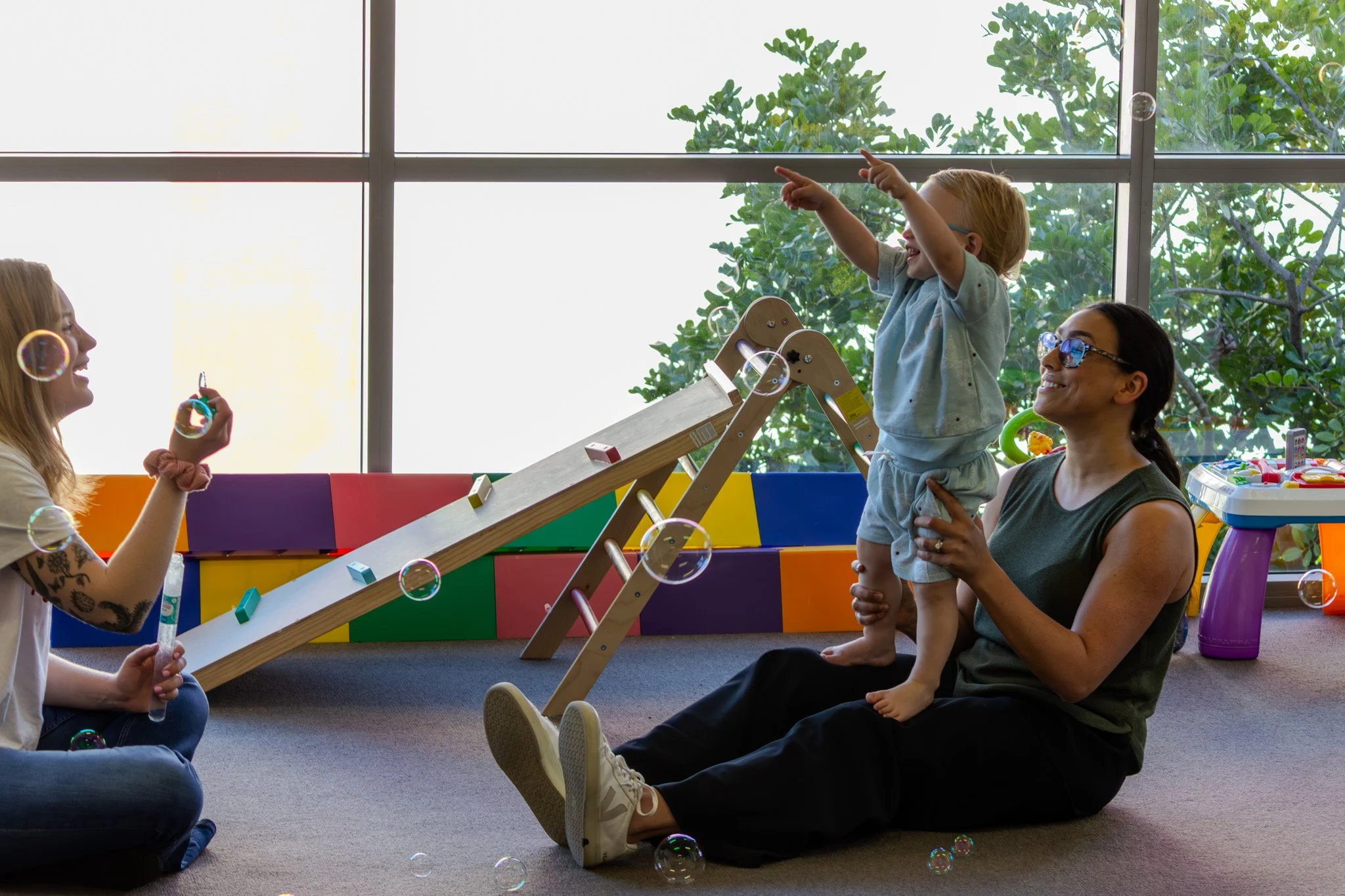
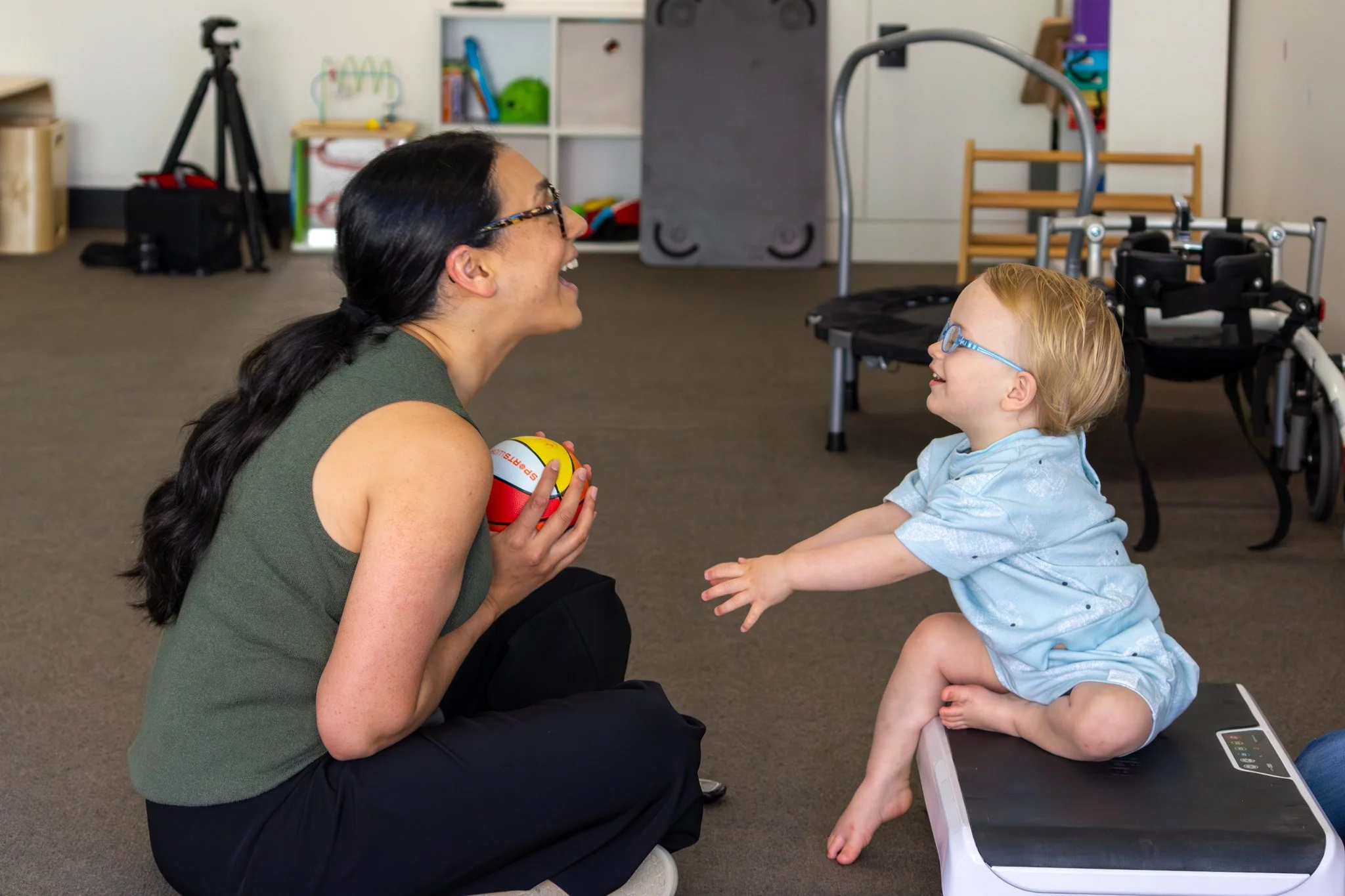
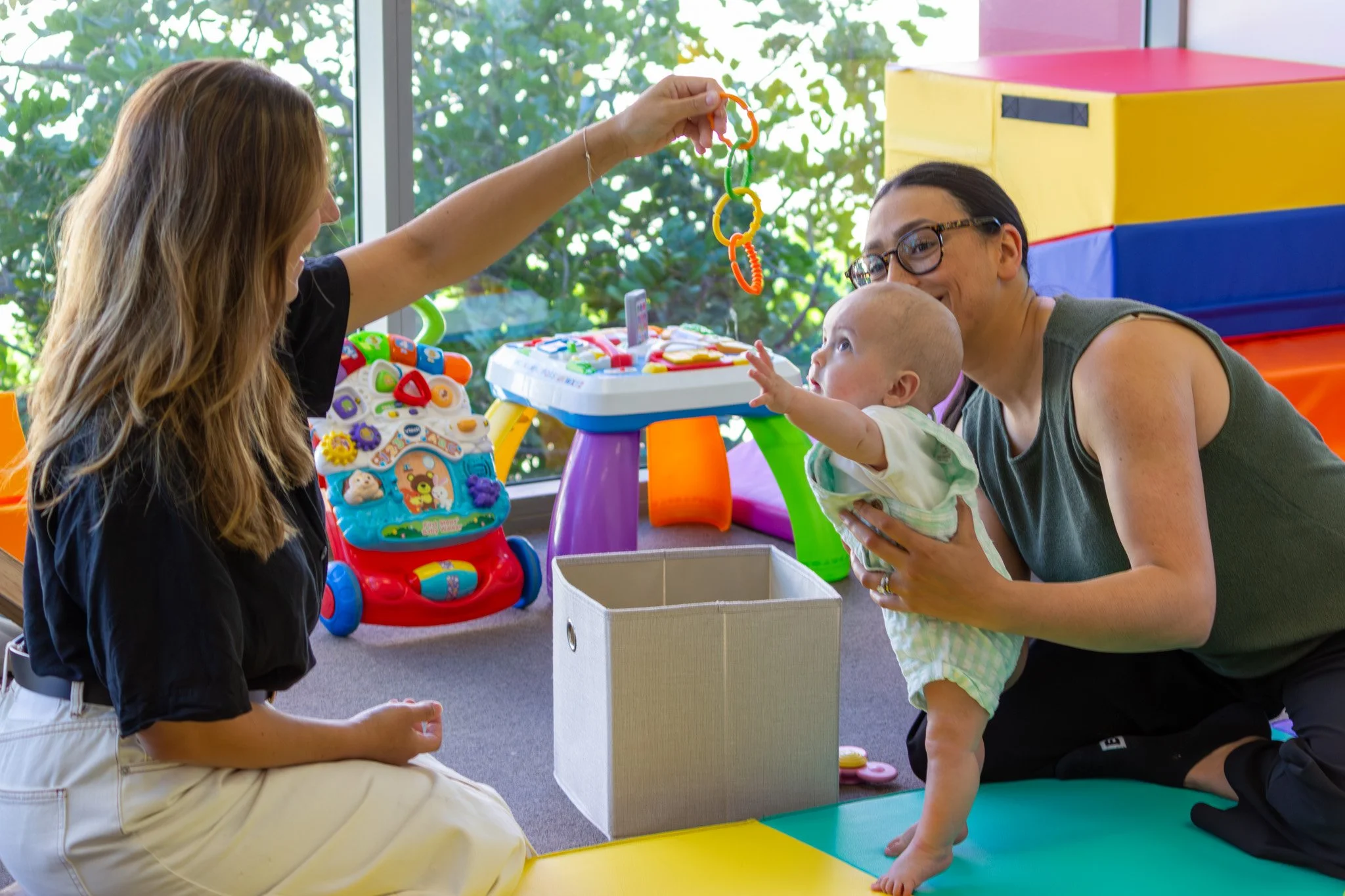
Physio for babies and toddlers is play-based, because kids learn through play! We spend most of our time on the floor, and your child will not know they are doing therapy. They will just think they are playing.
We will teach you and your child practical movement strategies that you can weave into your everyday routine. We make sure you leave every session knowing exactly what to do at home and why it matters - the goal is that your child is building strength, improving their balance, and growing their confidence in their body across the whole day, not just in the 45 minutes they are with us.
Trust what you are noticing, we’re here to help.
If you have gotten this far and are still thinking ‘I’d like to get some help’ or ‘I don’t want to wait and see, I want to be proactive’ then give us a call or fill out our intake form below. If something has been sitting in the back of your mind for a while, that is worth paying attention to.
We look forward to helping your little one thrive
Expert physio. Empowered kids. Supported families.